
7 Signs of Deck Structural Failure: Safety and Repair Guide
Learn to identify subtle signs of structural weakness in your Birmingham deck. A professional safety inspection can prevent costly repairs and ensure the longevity of your outdoor living space.
Book a Safety Inspection

7 Signs of Deck Structural Failure: Your Guide to Deck Safety in Birmingham, AL
Understanding Deck Failure: What it Means for Your Home
What is Deck Structural Failure?
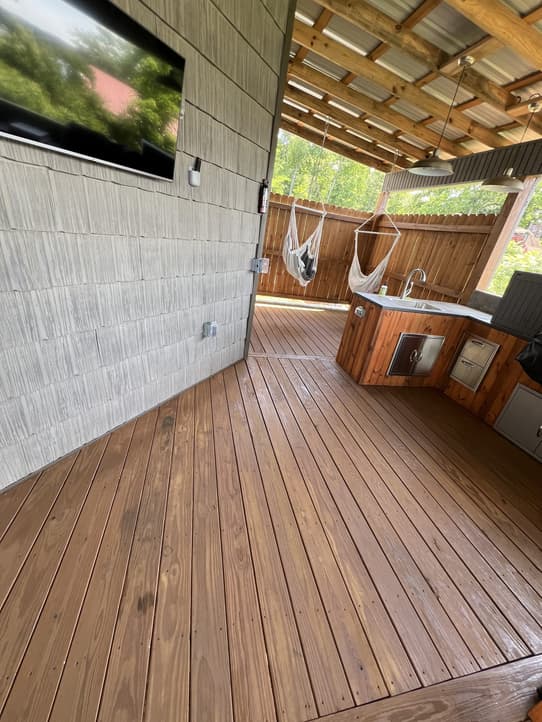
When we talk about deck structural failure, we're referring to a compromised load-bearing component that threatens the stability and safety of your entire deck. This isn't just about cosmetic damage; it's about the integral parts of your deck—like ledger boards, joists, and posts—losing their ability to support weight. In the Birmingham metro area, from Vestavia Hills to Mountain Brook, ensuring your deck's structural integrity is paramount for homeowner safety.
The most dangerous failure point is almost inevitably the ledger board. This critical component attaches your deck directly to your home. When it fails, the results can be catastrophic, leading to sudden, complete collapse. Many deck collapses across the country are attributed to ledger board failure. As Alabama Deck Restoration, owner of Alabama Deck Restoration, often emphasizes, understanding these signs of deck structural failure is the first step in protecting your property and loved ones.
Key Components at Risk of Failure
Here are the primary load-bearing elements of your deck that are vulnerable to structural failure:
- Ledger Boards: The connection between the deck and your home. Improper flashing, fasteners, or wood rot can lead to complete detachment.
- Deck Joists: The horizontal framing members that support the deck boards. Rot, excessive sagging, or inadequate sizing can compromise their strength.
- Support Posts: Vertical members that carry the weight from the joists down to the footings. Rot at the base, improper footings, or inadequate bracing can cause failure.
- Beams: Larger horizontal members that support the joists. Damage or decay here can affect large sections of the deck.
- Stair Stringers: The angled supports for your deck stairs. Rot or cracking can make stairs unstable and dangerous.
Why a Professional Deck Safety Inspection is Crucial
- Detecting subtle signs of decay or stress that might go unnoticed by an untrained eye.
- Assessing local building code compliance, especially in areas like Cahaba Heights and Homewood.
- Providing expert guidance on whether deck restoration is worth it versus a complete rebuild, saving you time and money.
- Identifying hazardous conditions like advanced wood rot versus simple graying that can indicate structural damage.
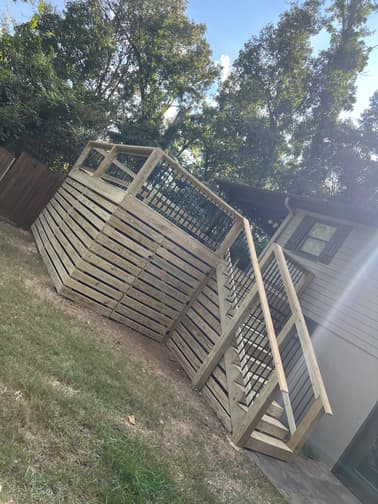
Ledger Board Separation: A Hidden Danger
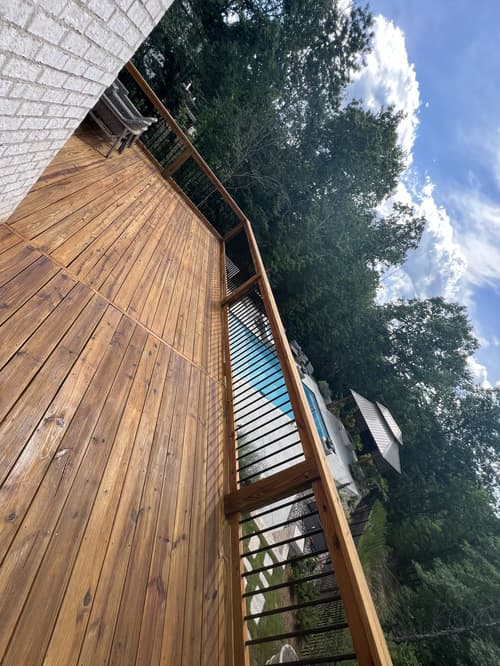
Your deck's ledger board is its primary connection to your home. Any visible gaps where the deck meets the house, especially at the banding, indicate potential ledger separation—a severe structural risk. This separation can lead to complete deck detachment, making regular professional inspections vital for safety.
- Inspect for gaps between your home and the deck.
- Check for corroded carriage bolts, especially with older hardware.
- Modern wood chemicals can accelerate bolt corrosion.
- Promptly address any signs of ledger board instability.
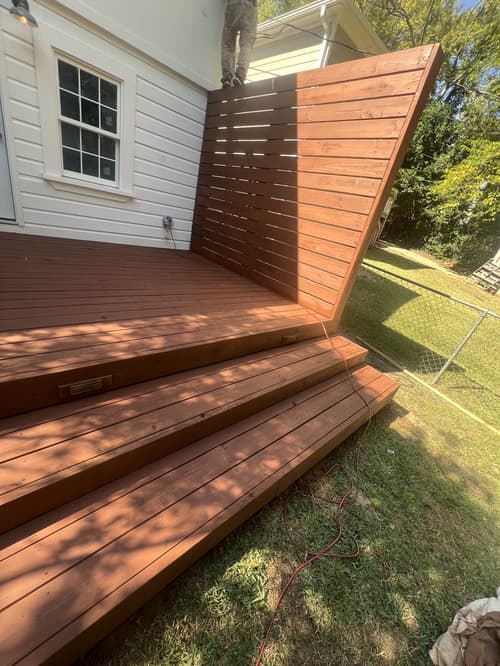
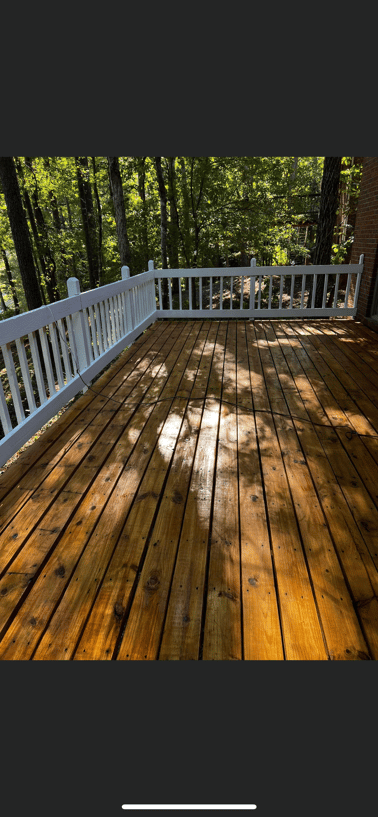
Sagging Deck Joists and Bouncing Floors
Noticeable sagging in your deck boards, especially across spans, points to compromised joists. A "bouncing" or excessively springy deck floor is another clear indicator of weakened support. These issues can be caused by wood rot, insect damage, or inadequate initial construction, and they pose a significant collapse risk.
- Look for visible dips or unevenness in your deck’s surface.
- Test for excessive bounce or movement when walking on the deck.
- Check for signs of moisture damage or rot in joists and posts.
- Consult an expert for a thorough inspection to prevent failure.
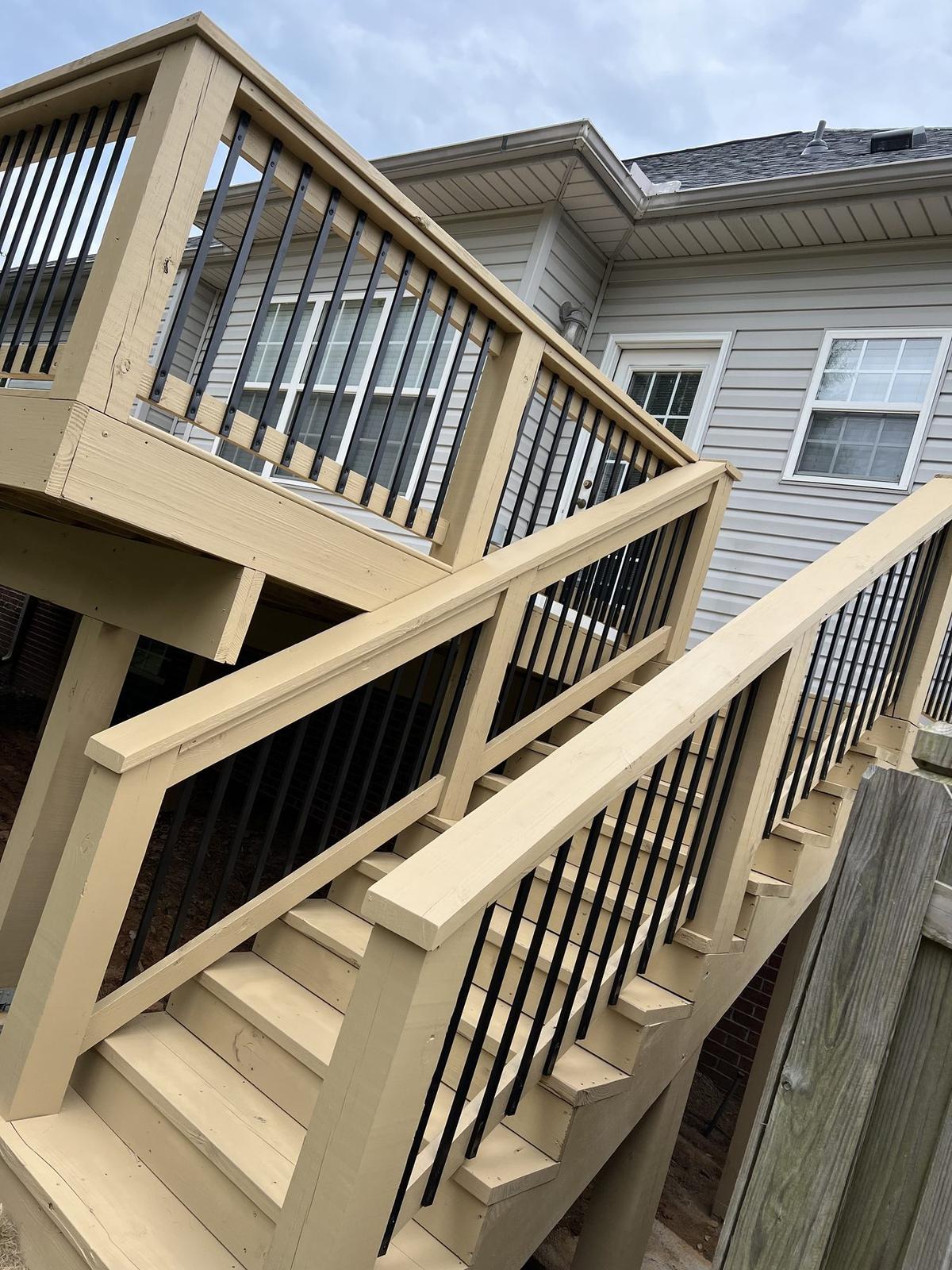
The Danger of Corroded Carriage Bolts
Carriage bolts are crucial for securing your deck's structure, especially the ledger board. Over time, environmental exposure, particularly in Alabama's climate, and interaction with modern pressure-treated wood chemicals can cause severe corrosion. This deterioration compromises the bolt’s strength, leading to a critical failure point.
- Examine all visible metal fasteners for rust and corrosion.
- Be aware that modern wood treatments can accelerate metal degradation.
- Rust stains near bolts and hangers are warning signs.
- Tighten loose fasteners or replace corroded ones immediately.
Is Your Deck Safe or a Liability?
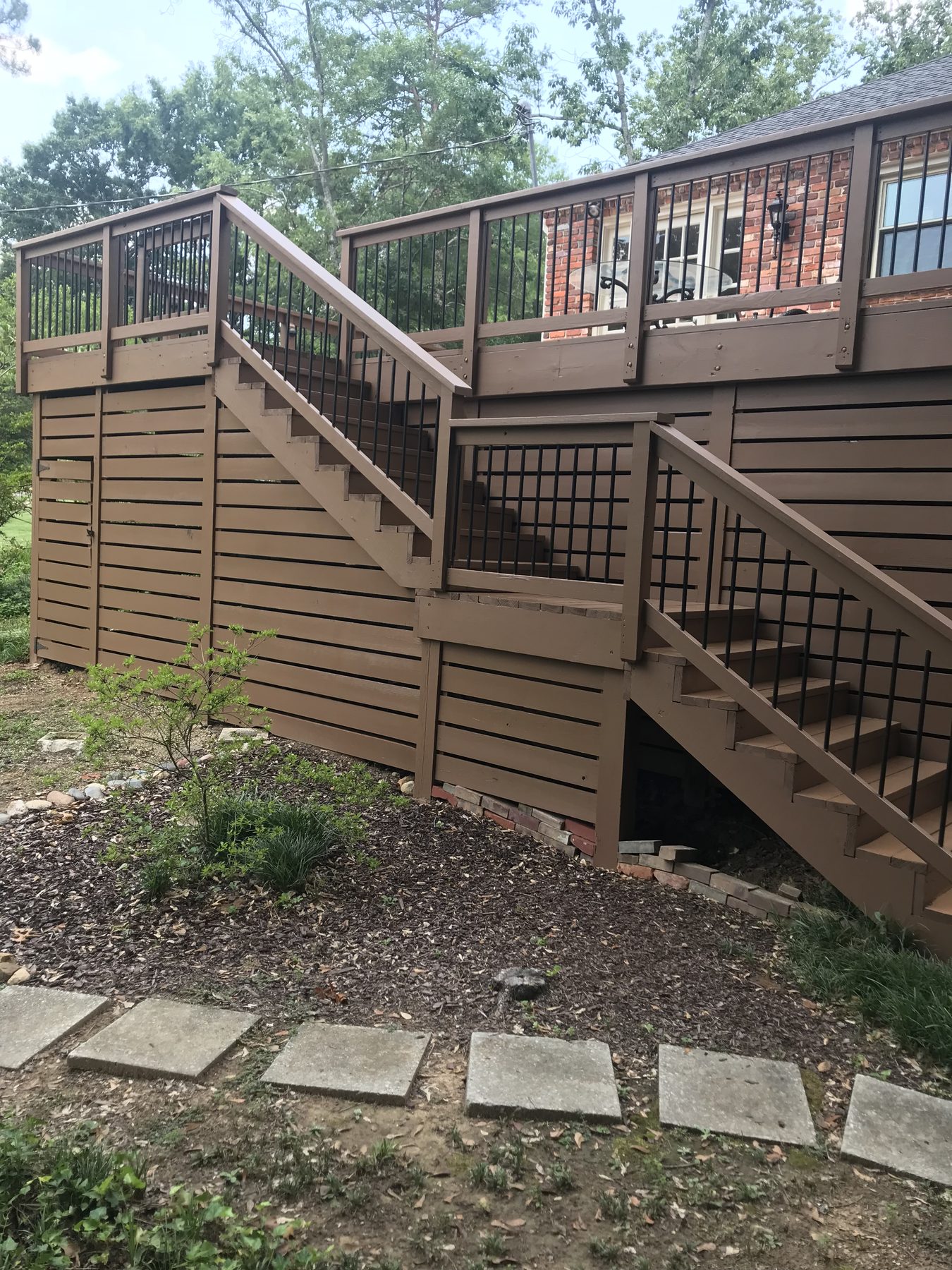
Deck Posts & Railings: Spotting Hidden Dangers
Checking Your Deck's Supports and Safety Barriers
Are Your Deck Posts Rotten? Identifying Structural Weakness
Rotted deck post signs are often hidden just below ground level, where moisture can accumulate and accelerate decay. A critical step in any deck safety inspection involves examining your deck posts at the base. Look for soft spots, discoloration, or evidence of fungal growth. 'Bottom-up' rot weakens the entire structure and can lead to catastrophic failure if left unaddressed.
Even if the visible parts of the posts seem sound, probe them with a screwdriver or awl, especially where they enter the concrete or ground. Any give or spongy texture indicates significant decay. Early detection is key to preventing costly repairs or a full deck rebuild.
Wobbly Railings: A Major Injury Risk
- Check for looseness: Grab each railing section and give it a firm shake. Any significant movement or wobble is a serious red flag.
- Inspect connections: Pay close attention to where railings attach to posts and where posts connect to the deck frame (rim joists). These are common failure points.
- Look for decay on rim joists: Often, wobbly railings are not just a problem with fasteners, but a symptom of decaying rim joists. When these crucial support beams deteriorate, the entire railing system loses its foundational stability, creating a major injury risk.
Advanced Decay Signs: Fungal Blooms and More
- Fungal blooms: The presence of mushrooms, bracket fungi, or other growths on or around deck posts and joists is a definitive sign of advanced moisture infiltration and rot.
- Discoloration and softness: Dark, stained areas that are soft to the touch indicate significant wood decay.
- Insect activity: Carpenter ants or termites are often attracted to moist, decaying wood. Their presence can signal underlying rot.
Signs of Deck Structural Failure & Repair
-
A safe deck starts with regular inspections. Look for visible signs of distress like loose railings, wobbly stairs, or boards that bounce when walked on. In Birmingham's climate, decks typically last 10-15 years before significant wear, so older decks warrant closer attention. Consider a professional deck safety inspection from an expert like Alabama Deck Restoration to ensure all structural components, including joists and ledger boards, are sound and compliant with local building codes.
-
Warning signs of a collapsing deck include significant sagging or sloping of the deck surface, severe rotting or cracking in posts and joists, detached ledger boards (the board connecting the deck to your house), and loose or corroded fasteners. If you notice any of these serious issues, especially after a storm or over time in areas like Mountain Brook or Cahaba Heights, evacuate your deck immediately and contact Alabama Deck Restoration for an urgent assessment to prevent catastrophic failure.
-
To check deck joists for rot, visually inspect them for discoloration, fungal growth, or soft spots. Use a screwdriver or awl to gently probe the wood, especially where joists meet the ledger board and posts. If the tool easily penetrates the wood, it indicates rot. Pay close attention to areas with poor drainage or constant moisture exposure. Alabama Deck Restoration offers detailed deck inspections in the Birmingham metro area to accurately identify and assess the extent of joist rot.
-
Yes, in many cases, a rotted deck post can be replaced, provided the surrounding structure is sound. The process involves temporarily supporting the deck, carefully removing the damaged post, and installing a new, properly treated post that meets current building codes. Attempting to "stain over rotted wood" is never a solution; rot must be removed and replaced to ensure structural integrity. Alabama Deck Restoration specializes in post rot remediation and structural repair, ensuring your deck's foundation is safe and stable.
-
The cost of a deck inspection in Birmingham can vary depending on the deck's size, complexity, and the depth of the assessment. While we focus on offering competitive and transparent pricing, we prioritize thoroughness to provide a precise evaluation of your deck's condition. For an accurate estimate tailored to your deck, contact Alabama Deck Restoration for a personalized, consultative quote. We ensure no hidden fees for our detailed safety inspections across Vestavia Hills and surrounding areas.

What Birmingham Homeowners Say About Our Deck Repair
-
for Our Deck“Alabama Deck Restoration and the Alabama Deck Restoration team provided an incredibly thorough inspection of our aging deck. We were concerned about some wobbly railings and he quickly identified the problem areas and explained our options clearly. His professionalism and honesty were a breath of fresh air. We now feel much safer on our Mountain Brook deck thanks to their structural repairs.”
-
Saved Our Deck“After noticing some concerning cracks in our deck's support posts, we called Alabama Deck Restoration. the team’s consultation was invaluable. He walked us through the signs of structural failure and offered repair solutions that fit our budget without pushing for a full rebuild. His knowledge of local building codes and dedication to safety is truly commendable. Our Helena home's deck is solid again!”

Alabama Deck Restoration: Your Deck Structure Specialist
Alabama Deck Restoration leads Alabama Deck Restoration with extensive knowledge in structural wood mechanics and a deep understanding of Birmingham's local building codes. He applies this expertise to every deck inspection, offering homeowners clear, consultative advice to ensure safety and longevity.
- Expert in Structural Wood Mechanics
- Knowledge of Local Building Codes
- Consultative Deck Inspections
- Focused on Safety and Longevity
- Serving Vestavia, Mountain Brook & Hoover
-
 Alabama Deck Restoration Owner & Lead Specialist