
How Long Does Deck Stain Last in Birmingham, AL's Climate?
In Birmingham, deck stain longevity varies: transparent stains typically last 2-3 years, while solid stains can protect your deck for 5+ years. Rely on our owner-led expertise from Vestavia Hills for local deck care.
Schedule Inspection- 2-3 Years (Transparent)
- 5+ Years (Solid)
- 100% Owner-Led Trust
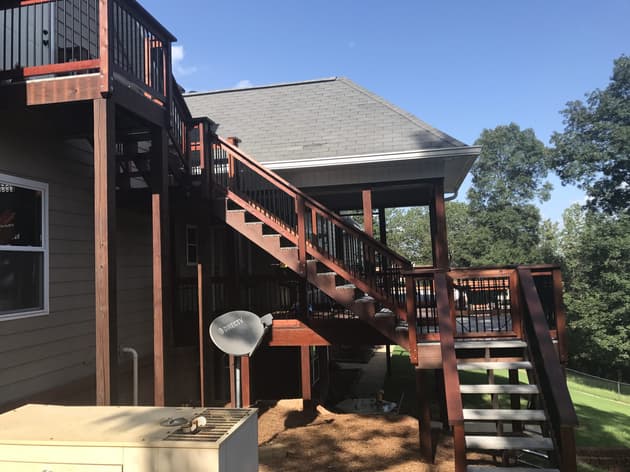

How Long Does Deck Stain Last?
Understanding deck stain longevity is crucial for maintaining your outdoor living space in Birmingham's climate. The type of stain significantly impacts how long your deck remains protected and beautiful.
- 2-3 Years Transparent
- 3-4 Years Semi-Transparent
- 5+ Years Solid Color
How Long Does Deck Stain Last in Birmingham, AL?
Understanding Deck Stain Longevity in Alabama's Climate
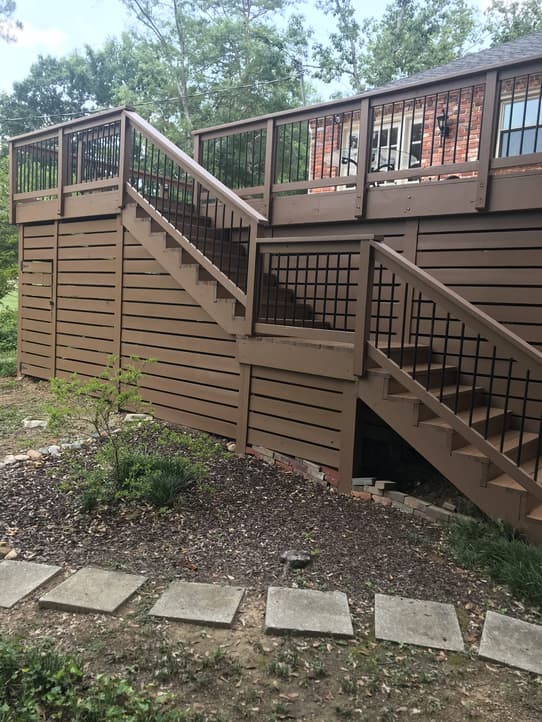
What "Longevity" Really Means for Your Deck Stain
When we talk about "how long deck stain lasts," we're really discussing the period your deck remains protected and aesthetically pleasing before needing maintenance or reapplication. In Birmingham's humid subtropical climate, the lifespan of a deck stain can vary significantly based on several factors, including the type of stain, wood condition, deck exposure to sun and rain, and the quality of application.
A key indicator that your deck needs attention is when the stain's protective properties begin to diminish. You'll notice this when water no longer beads on the surface but rather soaks into the wood, causing darkening. This is an invitation for mildew, algae, and wood rot – all common issues for decks in the Birmingham metro area.
Transparent vs. Solid Stains: A Durability Breakdown
The type of deck stain you choose plays a crucial role in its longevity. Here’s a comparison of common stain types and their typical performance in Alabama:
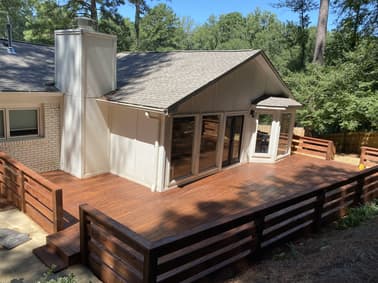
- Transparent and Semi-Transparent Stains: These stains offer minimal pigment, allowing the natural wood grain to show through. While beautiful, their protective qualities typically last approximately 1-2 years on horizontal surfaces like floorboards, and 2-3 years on vertical elements such as railings. They tend to fade and wear down over time due to UV exposure and foot traffic.
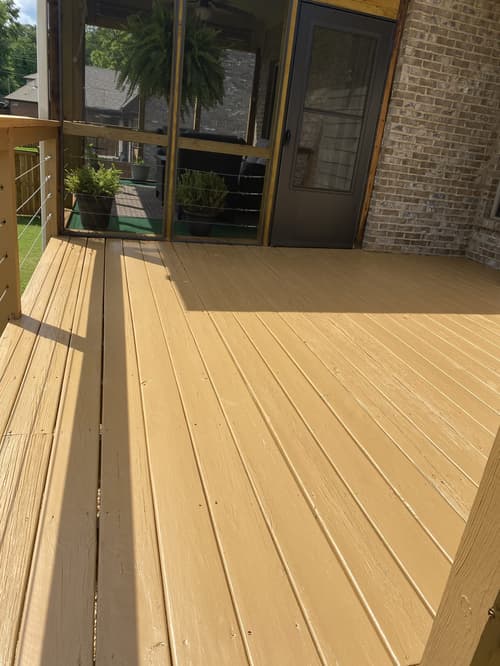
- Semi-Solid and Solid Color Stains: These stains contain more pigment, providing greater UV protection and color uniformity. Solid color stains, effectively acting like a thin coat of paint, generally last longer, often 3-5 years or more. However, they are more prone to peeling and flaking, especially if the wood isn't prepared correctly or if moisture gets trapped underneath. This creates a surface that's harder to maintain without stripping.
Choosing the Right Stain for Your Deck
The choice between different stain types isn't just about color; it's about balancing aesthetics with protection and maintenance. For a deeper dive into which stain might be best for your specific needs, consider exploring our guide on Oil vs. Water Based Deck Stain: The Best Choice for Alabama Climate. This resource helps homeowners understand the pros and cons of each type in relation to Birmingham's unique weather patterns.
-
The Water Bead Test
Sprinkle water on your deck. If it soaks in within 30 seconds rather than beading up, your deck is no longer sealed and needs restaining or sealing. -
Visual Inspection
Look for graying wood fibers or an inconsistent, blotchy color. These are clear indicators that your deck's stain is failing and its protective qualities are diminishing. -
Texture Check
Run your hand over the surface. If you feel splintering, rough patches, or visible surface cracks, the wood is exposed and vulnerable to further damage.
Is Your Deck Losing Its Protection?
Don't wait for wood rot to set in. Our owner-led inspections identify structural issues before they become expensive rebuilds. Get ahead of deck deterioration.
Maintenance Staining
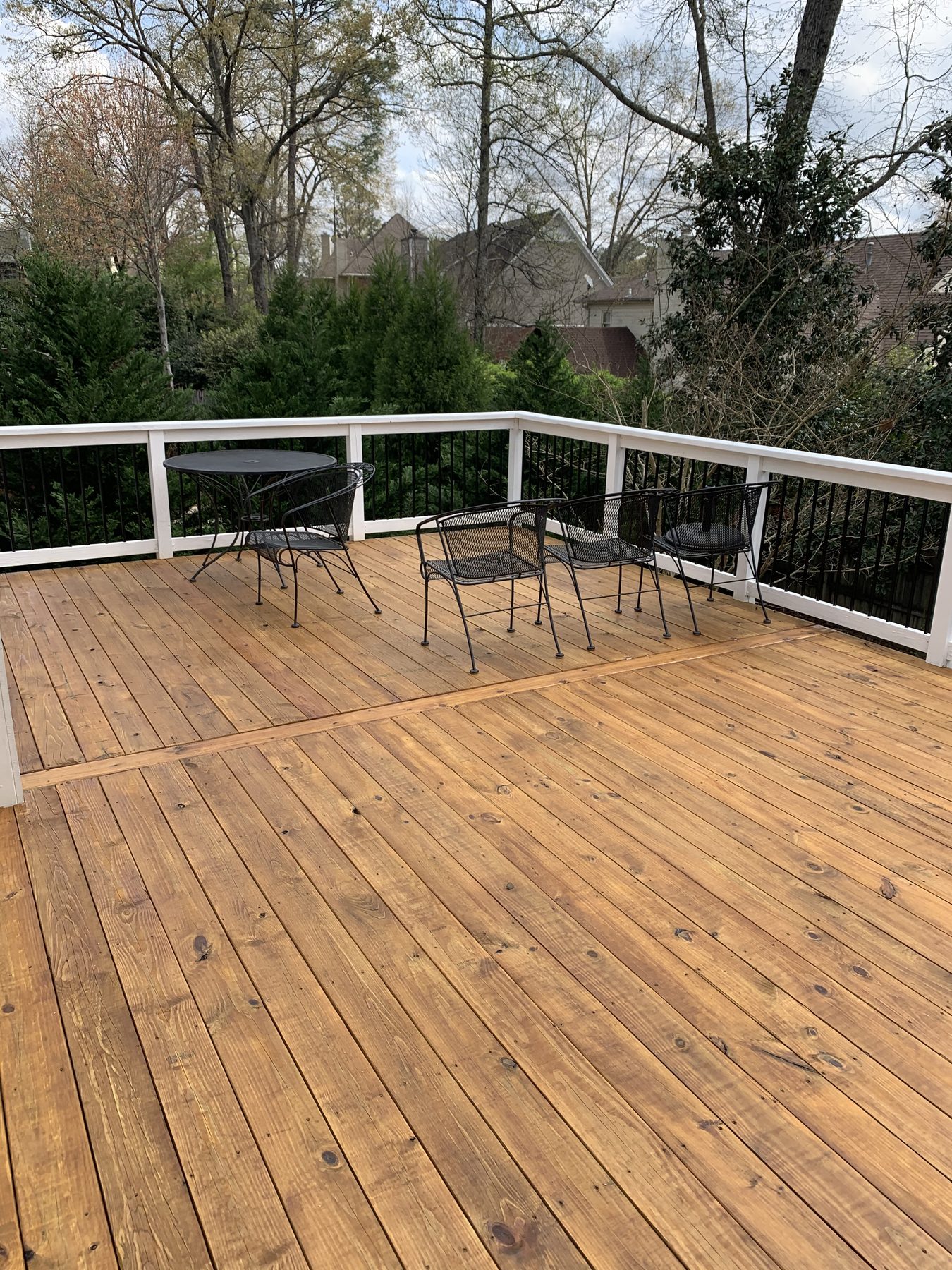
Factors That Shorten Your Deck Stain's Life in Alabama
In Birmingham, your deck stain faces a constant battle against the elements. Two primary culprits significantly reduce its lifespan: intense UV exposure, particularly on south-facing decks, and the pervasive humidity that fosters organic growth like mold and mildew. While products like Behr Premium Semi-Transparent Waterproofing Stain and Sealer offer protection, they are not immune to these environmental pressures.
- UV Radiation: South-facing decks endure constant sun, causing film-forming stains to degrade faster.
- Organic Growth: Alabama's humidity promotes mold and mildew, which eat away at your stain.
- High Traffic: Pets and heavy foot traffic wear down film-forming products more quickly than penetrating oil-based stains.
- Product Type: Film-forming stains are more susceptible to peeling and flaking under stress.
How To Know When Your Deck Needs Restaining
Owner Alabama Deck Restoration employs precise diagnostic methods to determine your deck's true condition. The most reliable indicator is often the simple water bead test. If water soaks into the wood instead of beading up, your deck has lost its protective properties and is vulnerable to moisture damage, graying, and rot.
- The Water Bead Test: Water soaking into the wood indicates your stain has failed.
- Visual Cues: Fading color, graying wood, or visible mold/mildew are clear signs.
- Peeling/Flaking: Film-forming stains will peel or flake when they lose adhesion.
- Rough Texture: Wood feeling rough or splintered means the protective barrier is gone.
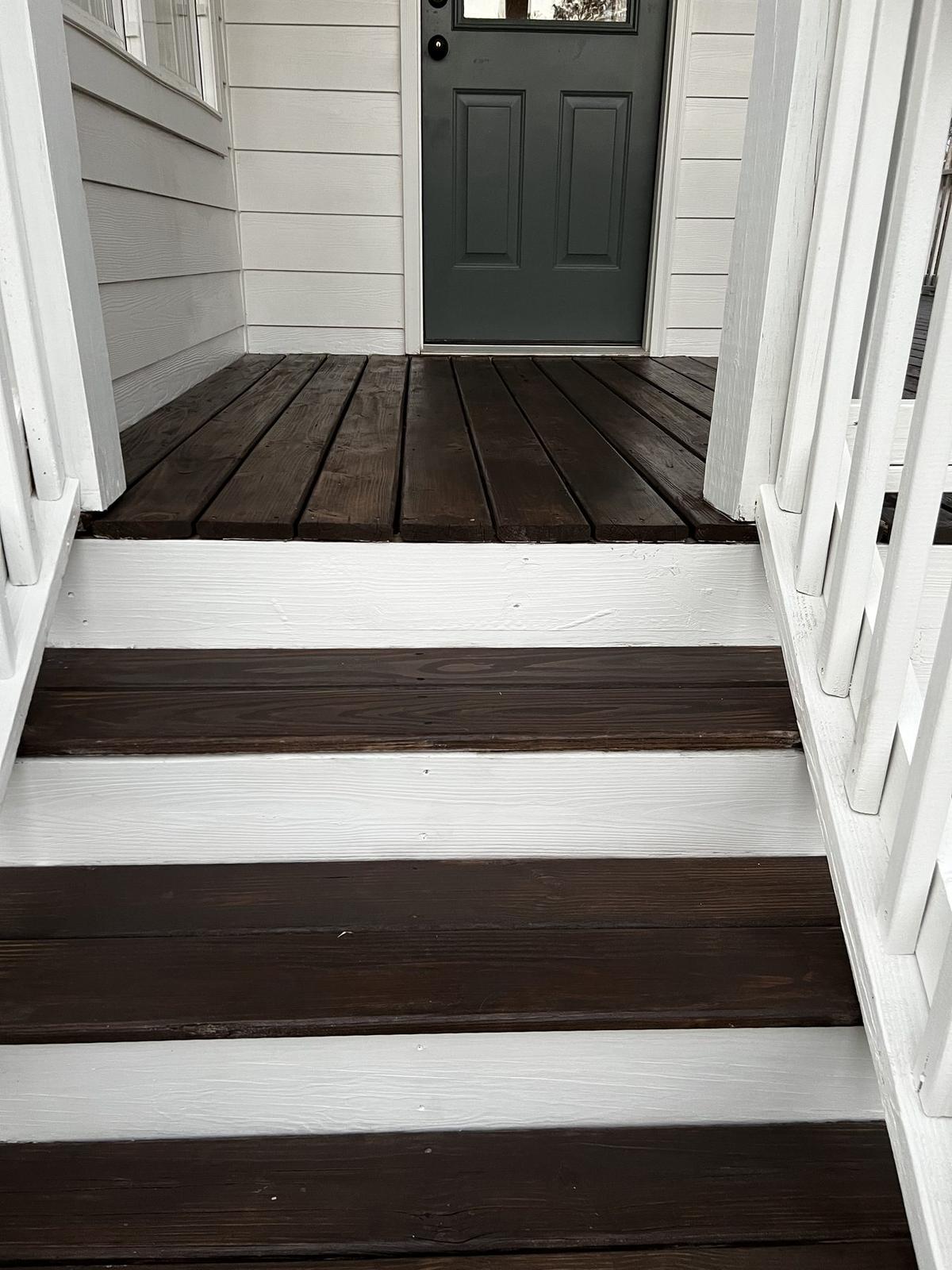
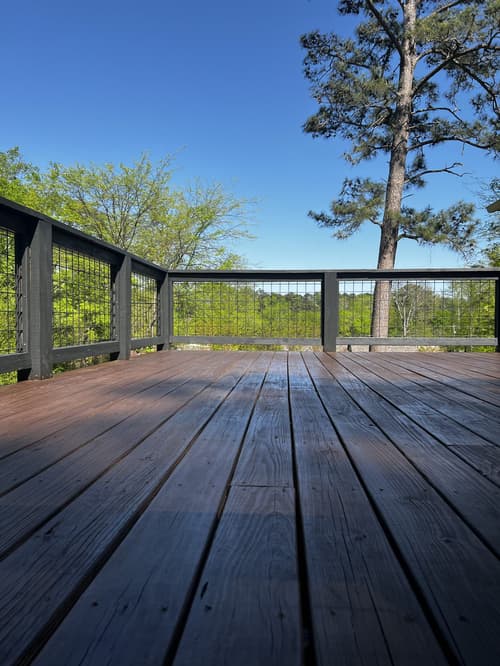
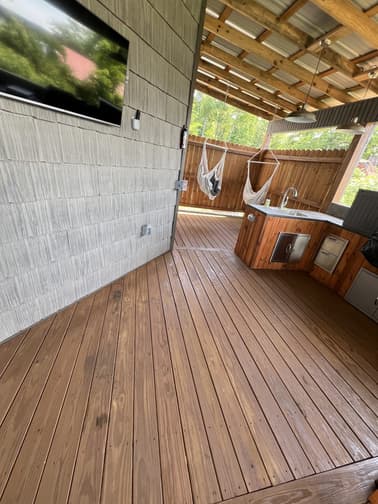
Your Local Birmingham Maintenance Schedule
A proactive maintenance schedule is key to maximizing your deck stain's life in the Birmingham metro area. Our guide below outlines seasonal steps homeowners in communities like Vestavia Hills can take to protect their investment. Remember, timely cleaning and inspection can prevent costly repairs down the line.
- Spring: Inspect for winter damage, clean off debris, and check stain integrity.
- Summer: Regular sweeping, spot cleaning, and re-check water repellency.
- Autumn: Clear leaves and organic matter, deep clean, and prepare for colder months.
- Winter: Minimize moisture accumulation, keep deck clear of heavy snow/ice if applicable.
Frequently Asked Questions
-
Premature peeling of deck stain is almost always due to improper surface preparation. If the deck surface isn't thoroughly cleaned, stripped of old finishes, and dried before new stain application, the stain won't adhere properly. High humidity, direct sun exposure during application, or using incompatible products can also contribute to early failure. At Alabama Deck Restoration, we ensure meticulous preparation for maximum longevity.
-
The ideal time to stain a deck in Birmingham, AL, is typically Spring (late March to early June) or Autumn (September to November). These seasons offer moderate temperatures between 50-90°F and lower humidity, which are crucial for proper stain absorption and curing. Avoiding direct hot sun and potential rain within 24-48 hours of application is key for a durable finish.
-
Absolutely. Professional-grade oil-based stains use higher quality resins and pigments, providing superior penetration, UV protection, and fungal resistance. Big-box brands like Behr often contain lower solids content and acrylics that lay on the surface, making them prone to peeling and less durable in Alabama's harsh climate. Professional products offer better value in the long run with fewer re-applications.
-
The simplest way to check is the "water bead test." Pour a small amount of water onto your deck in several spots. If the water beads up, your stain or sealant is likely still protecting the wood. If the water soaks in quickly, it's a clear sign your deck is no longer protected and is due for restaining or resealing to prevent moisture damage and graying.
-
Generally, yes, solid color stains tend to last longer than semi-transparent stains. Solid stains contain more pigment, which provides greater UV protection and forms a thicker film on the wood surface, making them more resistant to wear and tear. However, semi-transparent stains penetrate deeper and highlight the wood grain more, making the choice dependent on aesthetics and expected lifespan.

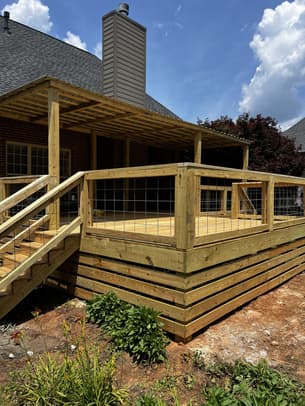
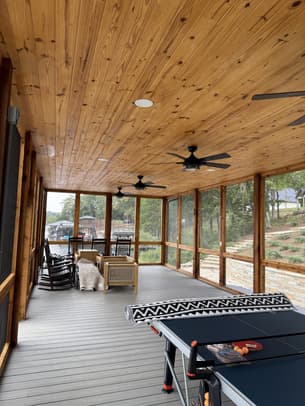
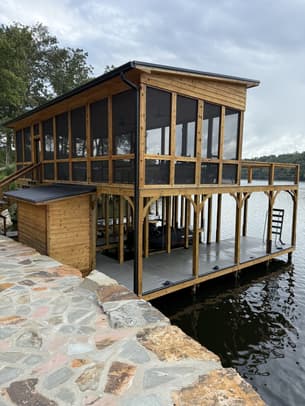
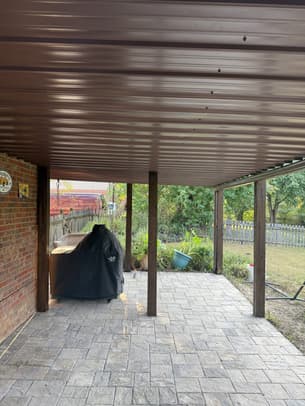
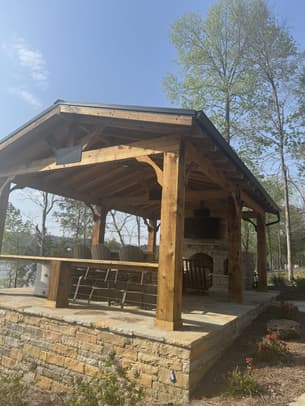
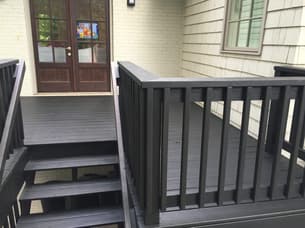
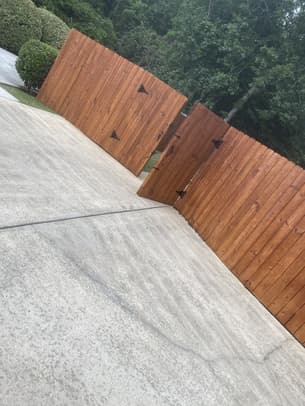
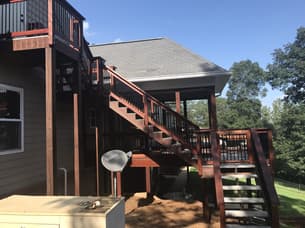
Birmingham Deck Restoration Gallery
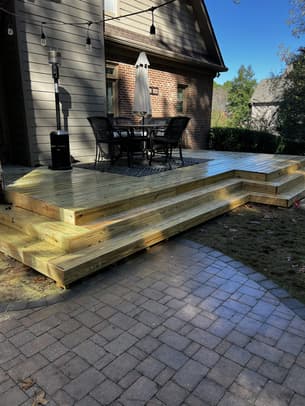
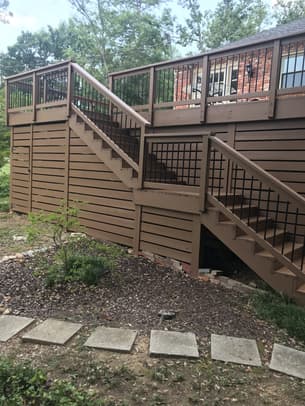
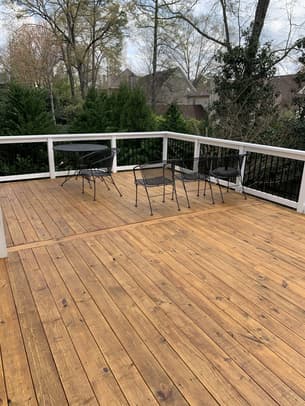
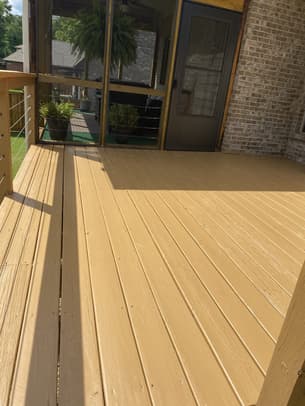
Reliable Deck Restoration, Guaranteed
-
“Alabama Deck Restoration did an outstanding job on our deck in Vestavia Hills. The stain color guidance was perfect, and the restoration work truly brought our old deck back to life. the team’s team communicated clearly throughout the entire process, making it a stress-free experience. Highly recommend their professional approach and quality results!”
-
“We had Alabama Deck Restoration clean and seal our aging deck in Hoover, and the difference is remarkable. Alabama Deck Restoration was incredibly helpful with the repair vs. rebuild consultation, saving us significant money. The professionalism and attention to detail from his crew were impressive. Our deck looks fantastic and feels much safer now!”
Request Your Custom Deck Maintenance Plan in Birmingham
- Phone (205) 914-8487
- Our Hours Monday - Saturday 8:00 AM - 6:00 PM