
Wood Rot vs. Graying: Identify Deck Damage & Protect Your Investment
Distinguishing between harmless weathered deck wood and serious structural wood rot is crucial. Alabama Deck Restoration offers expert assessments for homeowners in Vestavia Hills and the greater Birmingham metro.
Book a Consultative Deck Inspection- 4.8/5 Customer Rating
- 10+ Years Experience
- 1200+ Decks Restored

Defining Wood Rot and Surface Graying
Understanding the Difference: Rot vs. Graying
As a Birmingham homeowner, identifying the difference between cosmetic weathering and structural damage on your deck is crucial. Two common forms of deck deterioration are wood rot and surface graying, and understanding their distinct characteristics can save you significant repair costs. Early identification allows for targeted deck restoration instead of a full, costly replacement.
What is Wood Rot?
Wood rot is a biological process caused by various species of fungi that digest wood fibers. This decay occurs in environments where wood is consistently damp, typically with moisture content above 20%. In Birmingham's humid climate, decks are particularly susceptible to conditions that foster rot, especially in areas with poor drainage or prolonged exposure to moisture, such as Cahaba Heights and Hoover.
Signs of wood rot include soft, spongy areas (often detectable with the "Screwdriver Test"), discoloration (darker than graying), cracking, and a distinct musty odor. If left unaddressed, wood rot can severely compromise the structural integrity of your deck, leading to safety hazards.
What is Surface Graying?
Surface graying, also known as photo-degradation, is a superficial process caused by exposure to ultraviolet (UV) radiation from sunlight. The UV rays break down lignin, the natural glue that holds wood fibers together, leading to a silver-gray appearance on the surface. Graying is a cosmetic issue and does not impact the structural strength of your deck.
Unlike rot, graying does not involve fungal activity or significant moisture. It is a natural aging process for wood that is exposed to the elements, and while it may not look aesthetically pleasing, it doesn't pose an immediate threat to your deck's safety.
Why Early Identification Matters
Distinguishing between wood rot and graying early can save Birmingham homeowners thousands of dollars. Surface graying can often be remedied with professional cleaning, brightening, and deck refinishing services, restoring the wood's natural beauty without extensive repairs.
However, if you suspect wood rot, a professional inspection is critical. Alabama Deck Restoration specializes in structural wood mechanics and consultative inspections, including our proprietary "Screwdriver Test" protocol, to accurately assess the extent of decay. Addressing rot promptly can prevent its spread and often allows for localized repair and restoration rather than a complete deck rebuild. This proactive approach ensures the safety and longevity of your deck, offering a clear cost-benefit advantage for homeowners in Alabama.
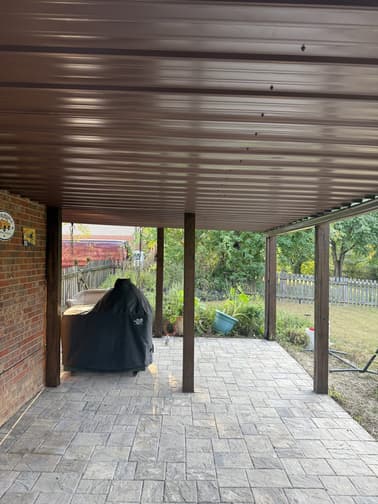
How to Spot the Signs of Deck Wood Rot
Distinguishing between harmless surface graying and dangerous wood rot is crucial for deck safety. In Alabama's humid climate, unchecked moisture can lead to rapid decay, often starting in less visible areas. Identifying true rot early can save your deck from costly structural damage or even total failure.
- The Screwdriver Test: If a flathead screwdriver sinks more than 1/4 inch into a beam or post with minimal resistance, you likely have active wood rot.
- Graying vs. Rot: Surface graying is cosmetic UV damage that can be removed with mechanical sanding. Rot, however, indicates structural decomposition.
- Common Rot Locations: Pay close attention to ledger boards, joist ends, and areas where wood meets the ground or traps moisture.
Is Your Deck Safe? Get a Free Inspection!
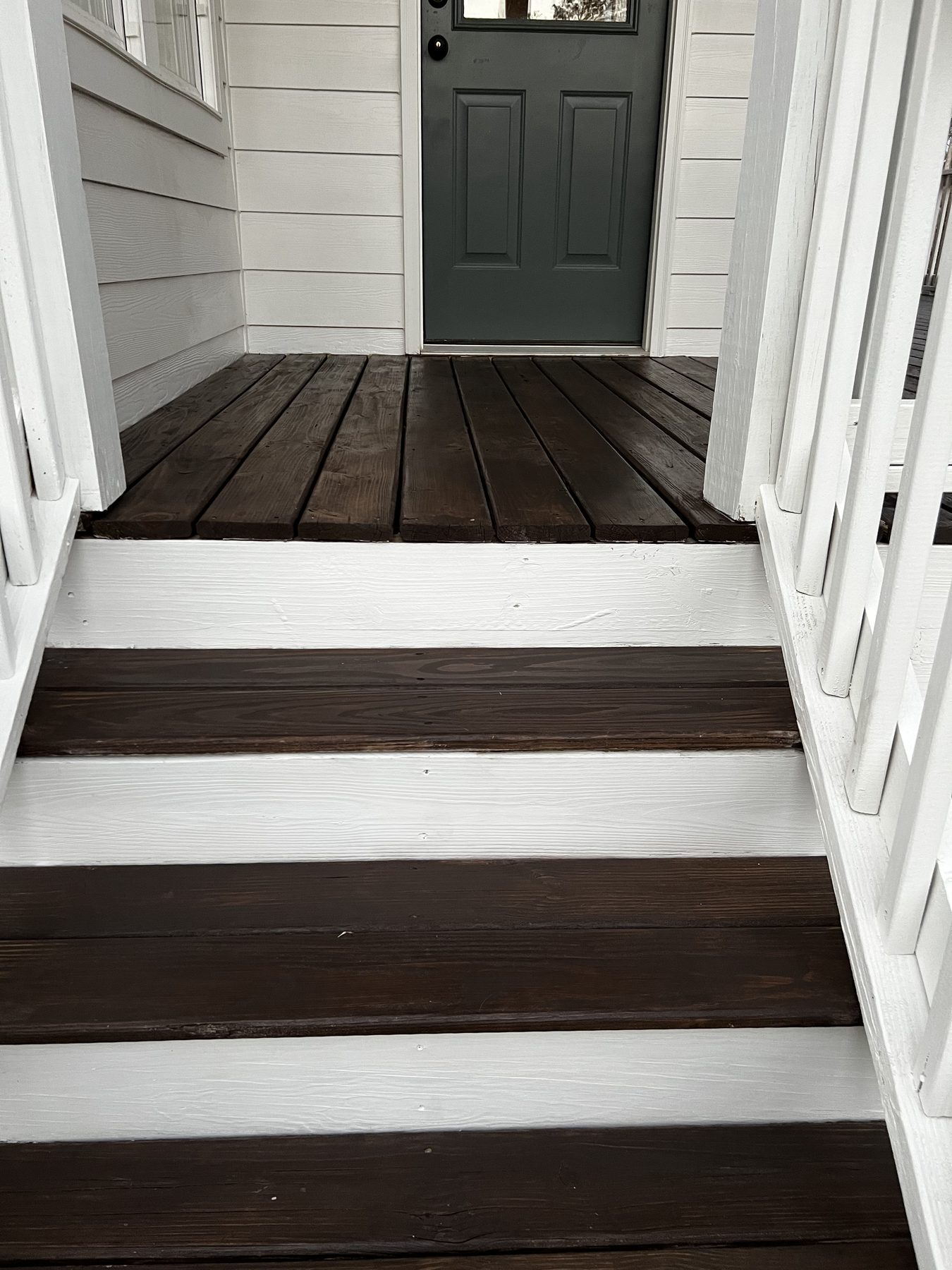
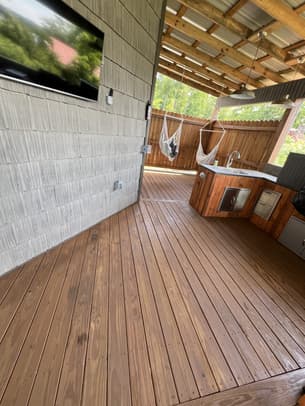
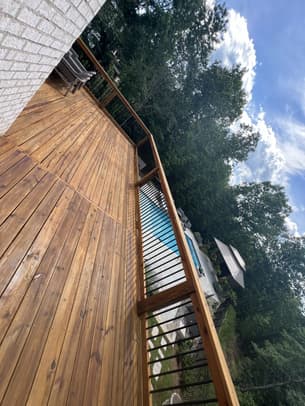
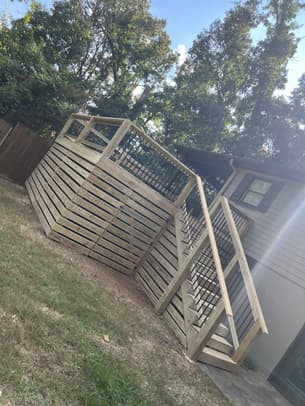
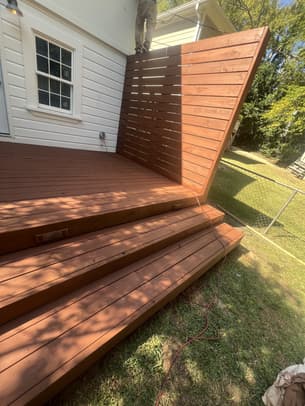
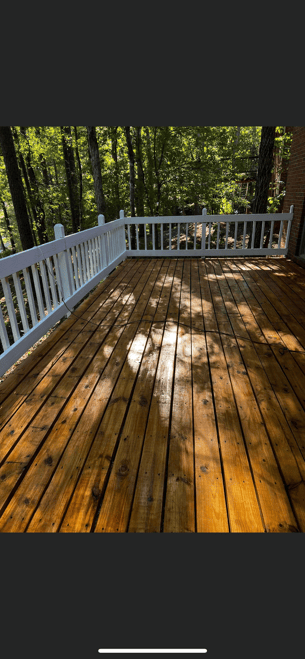
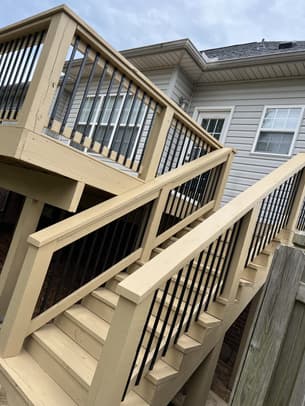
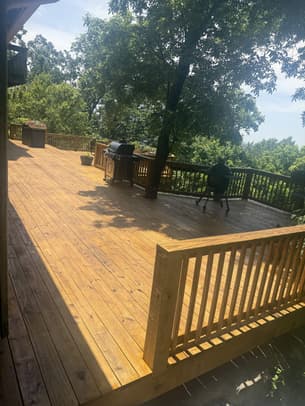
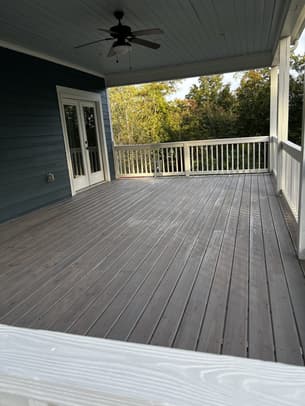
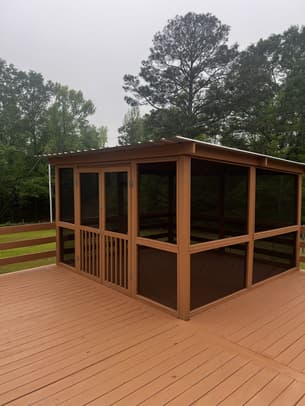
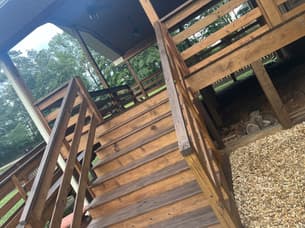
Birmingham Deck Restoration Projects
Wood Rot vs. Graying: Your Questions Answered
-
Wood rot appears as soft, spongy areas on your deck boards, railings, or posts. It often has a dark, discolored appearance, and in advanced stages, you might see mushroom-like growths or fungal decay. Unlike surface discoloration, rot compromises the structural integrity of the wood, making it critical to address promptly to ensure deck safety. You can often test for rot using a screwdriver to probe suspect areas, as rotted wood will easily give way.
-
Graying wood is primarily a cosmetic issue caused by prolonged exposure to UV rays and weather. While it indicates sun damage and a loss of natural color, it generally doesn't signify structural damage like wood rot. Gray wood can typically be restored through mechanical deck sanding and professional cleaning, bringing back much of its original beauty. However, ignoring graying can sometimes make the wood more susceptible to rot over time as its protective properties diminish.
-
No, you cannot effectively stain over wood rot. Applying stain to rotting wood will not stop the decay process, nor will it restore the wood's structural integrity. The stain will not adhere properly to the compromised surface and will likely peel or fail prematurely. Before any sealing or staining, all rotted sections must be removed and replaced. A proper deck safety inspection is crucial to identify and address any rot before moving forward with restoration or refinishing.
-
Alabama's high humidity creates an ideal environment for moisture to penetrate wood, accelerating both fungal growth and wood rot. Constant moisture exposure, especially in shaded areas or decks near sloped lots in Hoover or Cahaba Heights, prevents wood from drying out completely, fostering decay. Regular maintenance, including cleaning, sealing, and annual deck safety inspections every spring, is essential to combat these effects and preserve your deck's lifespan in the Birmingham metro area.
-
Annual deck safety inspections, ideally every spring, are crucial for identifying potential issues like wood rot, loose fasteners, or structural vulnerabilities before they become hazardous. Early detection, especially for decks exposed to Alabama's humid climate, can prevent costly repairs and ensure the safety of your family and guests. Regular checks, particularly for decks located on sloped lots like those often found in Vestavia Hills, can help extend your deck's life and maintain its value.

What Birmingham Homeowners Say About Alabama Deck Restoration
-
No Pressure“Alabama Deck Restoration provided an incredibly thorough inspection of our deck in Mountain Brook. Alabama Deck Restoration clearly explained the difference between graying and wood rot, performing the 'screwdriver test' that instantly made sense. Their no-pressure approach to repair versus rebuild made us feel confident in our decision.”
-
Saved Our Budget"We thought our Vestavia Hills deck was beyond repair, showing severe graying and what we suspected was rot. the team's consultation from Alabama Deck Restoration was honest and transparent. He confirmed some areas of rot but showed us how restoration was a viable, cost-effective option, preventing an unnecessary rebuild. Highly recommend their expertise!"

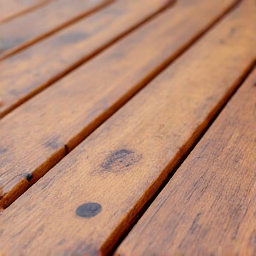
Get a Professional Assessment from Alabama Deck Restoration.
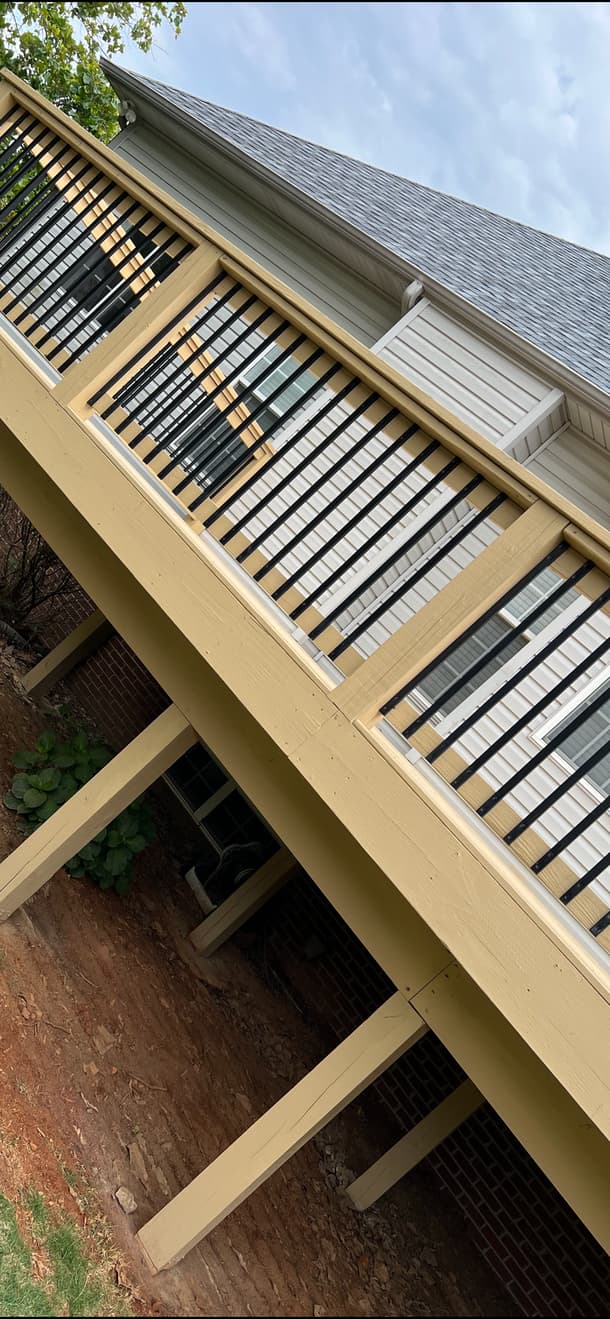
- Call or Text Us (205) 914-8487
- Service Areas Vestavia Hills, Mountain Brook, Homewood, Hoover, and surrounding Birmingham metro area.
- Business Hours Monday to Friday 8:00 AM - 5:00 PM